

If you’re planning a trip to Argentine Patagonia, you’ve probably already heard of Bariloche, but there’s a good chance you haven’t heard of the Comarca Andina. It’s a region of small towns about two hours south of Bariloche, and it gets a fraction of the tourists — even though it has similar lakes, forests, and mountains, a slower pace and a strong local culture that Bariloche mostly lost decades ago.
In this guide you will find all you need to know about “The Andean Shire” (Comarca Andina), it’s towns, why travelers choose it over Bariloche, and how to plan a visit.
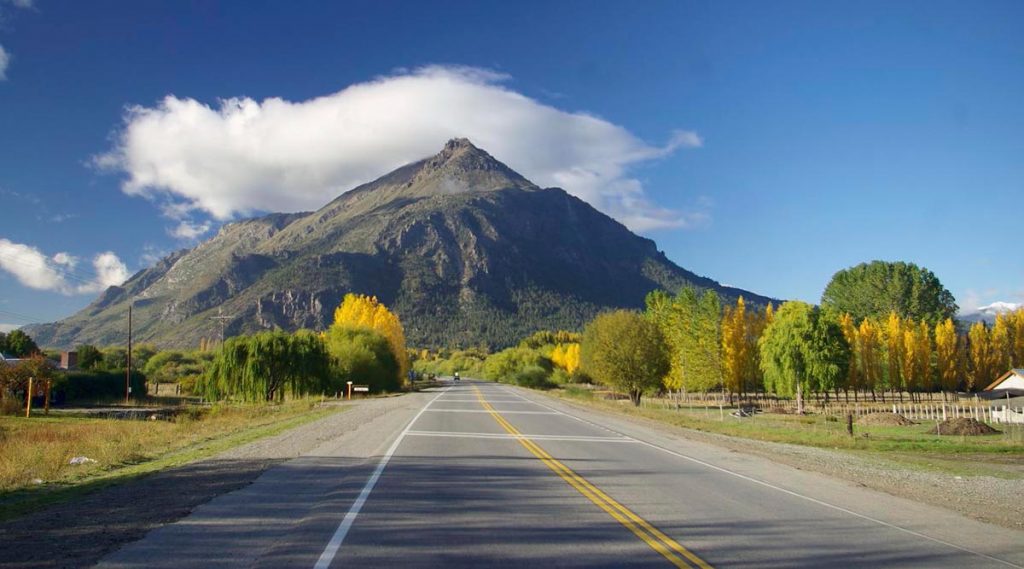
What Is the Comarca Andina?
The Comarca Andina del Paralelo 42 (its full name, usually shortened to “Comarca Andina”) is a region in Argentine Patagonia that straddles the border between Río Negro and Chubut provinces. It sits along National Route 40, roughly between Bariloche and Esquel.
Unlike Bariloche, which is one city built around tourism, the Comarca Andina is made up of several separate towns, each with its own character, connected by short drives through forest and along rivers. None of them are large — the biggest, El Bolsón, has around 25,000 residents.
The area was originally settled by a mix of Mapuche communities, European immigrants (many of them Welsh, German, and Eastern European), and later, in the 1970s, by a wave of artists and back-to-the-land settlers escaping major Argentina’s cities. That history still shapes the region: it’s known for craft fairs, organic farms, small-scale fruit growing, and a noticeably countercultural streak that you don’t find in most of Patagonia.
The Six Towns of the Comarca Andina
El Bolsón
The main town and the usual base for exploring the region. It has the most infrastructure — accommodation, restaurants, and a large weekly craft market (the Feria Artesanal) that’s been running since the 1970s. Most visitors start here.
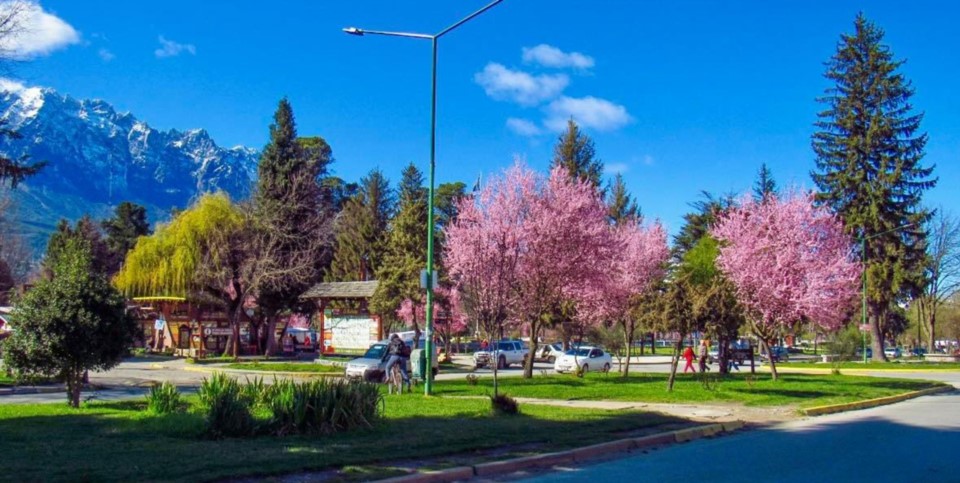
Lago Puelo
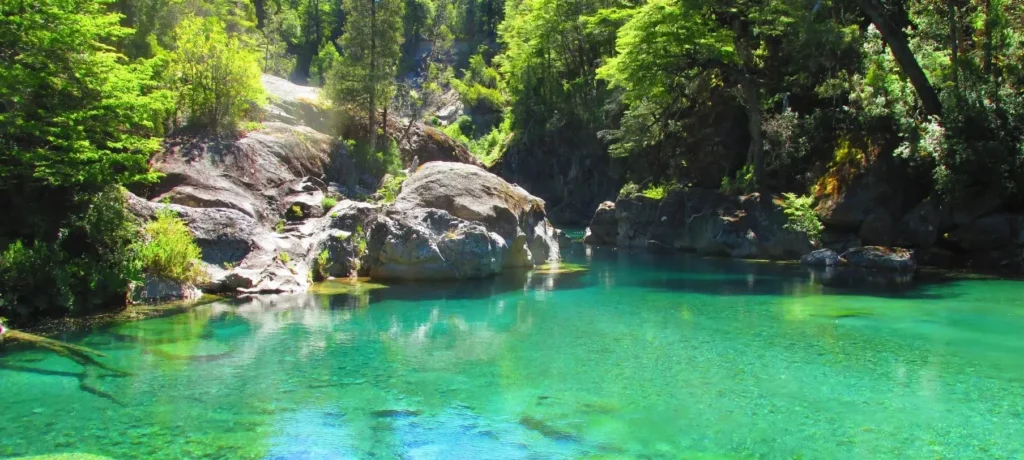
A 15-minute drive south of El Bolsón, built around a turquoise lake that sits inside Lago Puelo National Park. Popular for kayaking, short hikes, and boat rides across the lake that can even take you all the way to Chile.
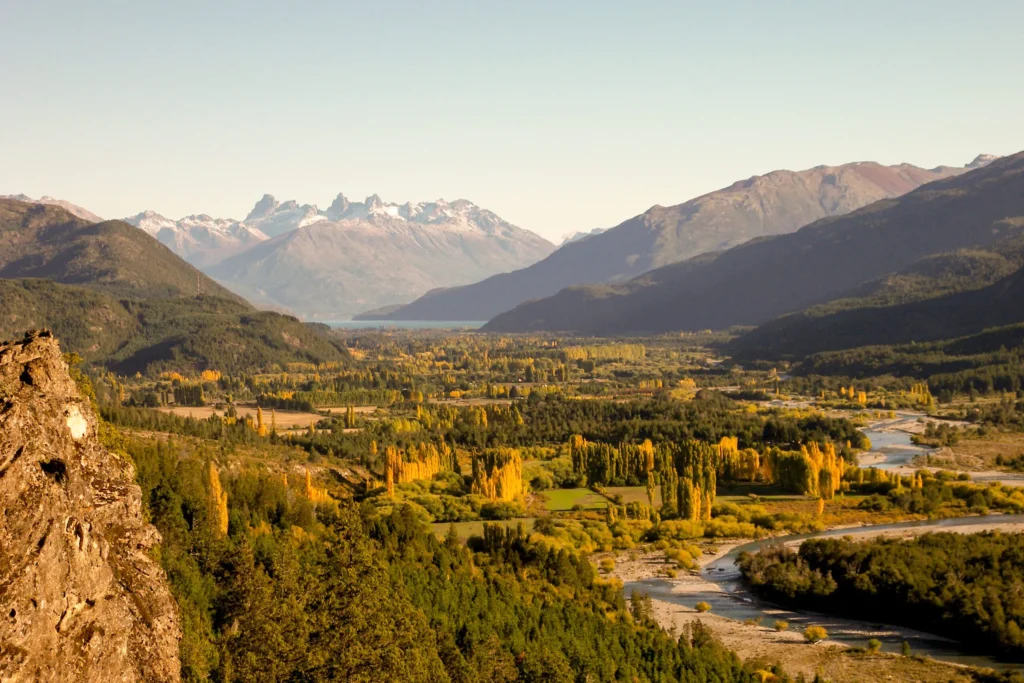
El Hoyo
Just south of El Bolsón, El Hoyo is known as Argentina’s “fine fruit capital” — raspberries, cherries, and hops are grown here, and it hosts a fruit festival every January. It’s also a base for fly fishing on the nearby rivers.
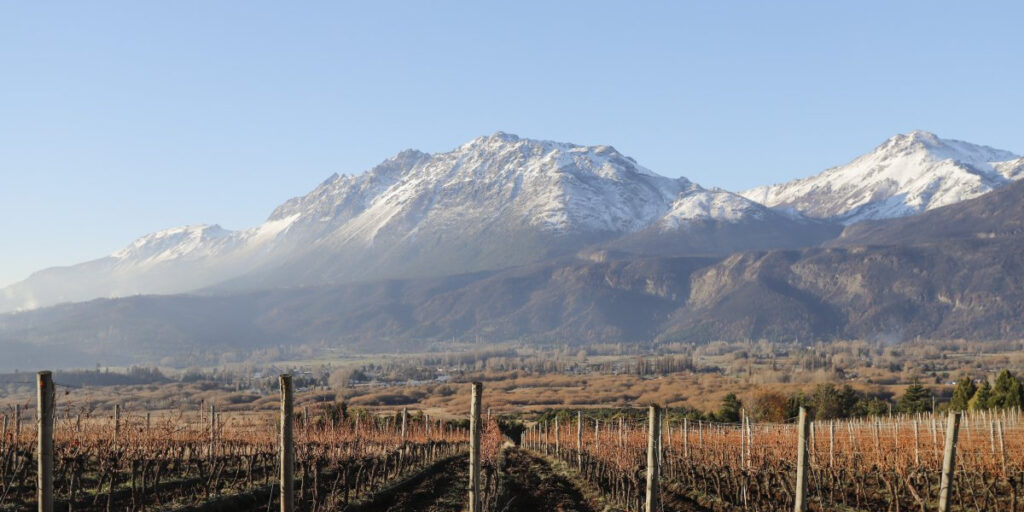
Epuyén
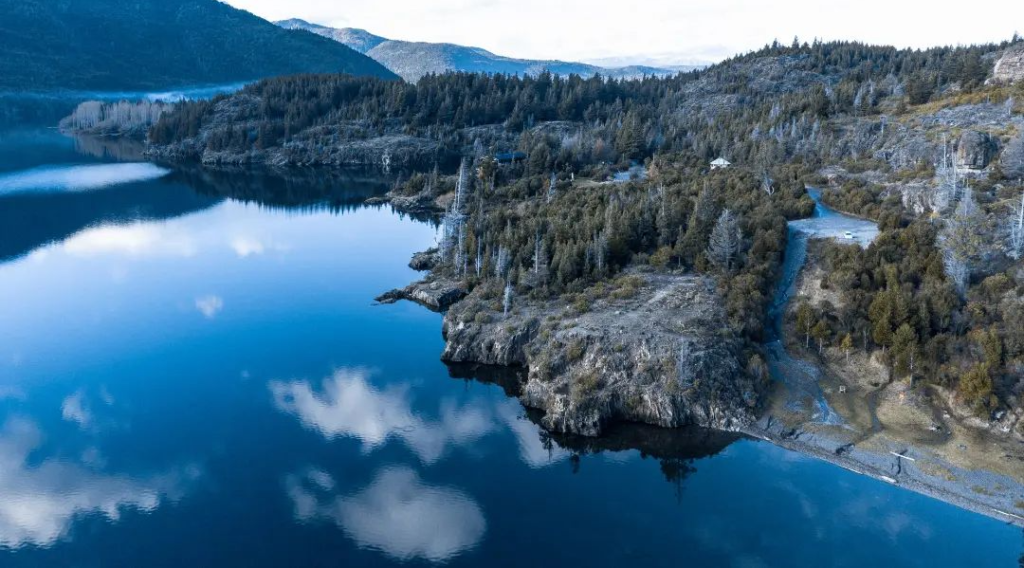
A quieter village a bit further south, built around another lake with a small beach. Epuyén has less tourist infrastructure than El Bolsón, which is exactly why some travelers prefer it — it’s closer to how the whole region felt a few decades ago.
El Maitén
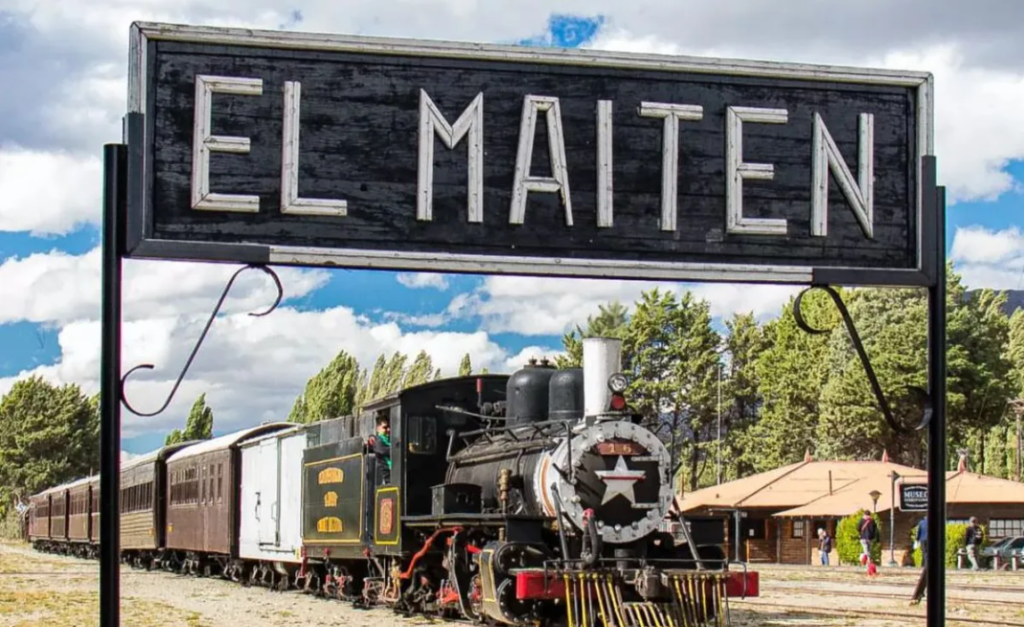
The easternmost of the six, El Maitén is home to La Trochita, the narrow-gauge steam train made famous by Paul Theroux’s The Old Patagonian Express. It is no longer so much a thriving railroad town as it is a community that refuses to lose its essence and strives to keep its history alive. It’s worth making a detour there to learn about the railroad history and culture of Argentine Patagonia.
Cholila
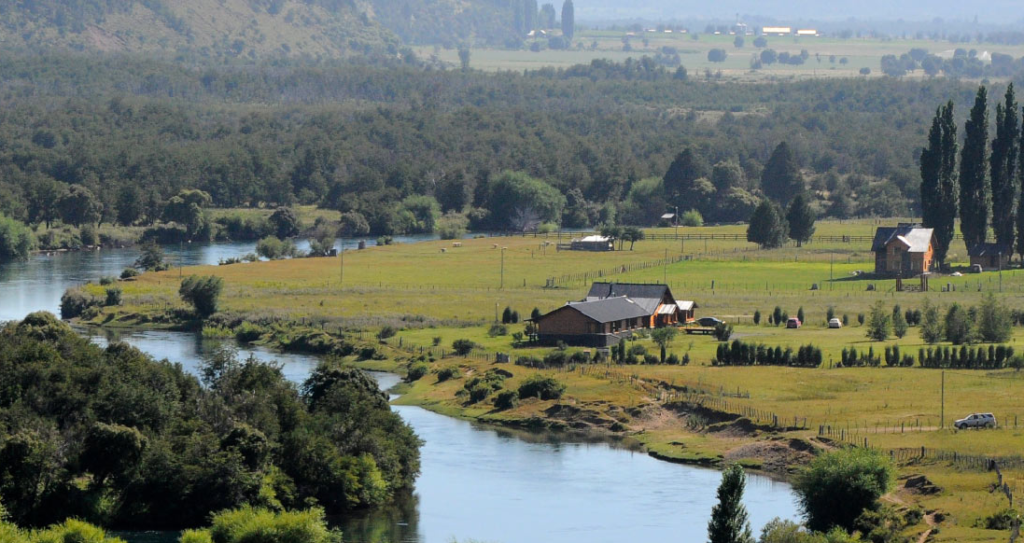
Further south of the group and slightly more remote, Cholila is best known for the cabin where Butch Cassidy, Sundance Kid, and Etta Place lived between 1901 and 1905. It’s also a gateway to Los Alerces National Park, one of the most striking and least-visited national parks in Patagonia.
Comarca Andina vs. Bariloche: What’s the Difference?
Bariloche is the main gateway to this part of Patagonia and has an international airport, so most travelers pass through it regardless. The difference shows up once you’re on the ground:
- Scale: Bariloche is a city of around 140,000 people with heavy tourist infrastructure, including large hotel chains and chocolate shops aimed squarely at visitors. The Comarca Andina towns are small enough that you’ll likely recognize the same shopkeepers and bus drivers after a couple of days.
- Pace: Bariloche can get crowded, especially in January, February, and during ski season (July–August). The Comarca Andina rarely feels crowded, even in high season.
- Cost: Accommodation and food tend to be cheaper in the Comarca Andina than in central Bariloche.
- What you do: Bariloche is built around its lake, chocolate, and nearby ski resort. The Comarca Andina is also built around lakes, forests, hiking, small farms, craft markets, fly fishing, and outdoor activities.
Neither is “better”, they suit different trips. Bariloche makes sense if you want more services and nightlife. The Comarca Andina makes sense if you’d rather spend a few days somewhere quieter and interact more with local life than with other tourists.
Best Time to Visit
- December to February (summer): Warmest weather, longest days, best for swimming in the lakes and rivers. Also the busiest period, though still much quieter than Bariloche.
- March to April (fall): Good hiking weather, fewer visitors, and the forests turn color — this region has a real autumn, colder weather, falling leafs, and a slower pace.
- June to August (winter): Cold and often snowy. Some businesses reduce their hours. Ideal if you enjoy snow sports (hay varias pistas de sky en la region) or if you want a quiet, snowy trip.
- September to November (spring): Rivers are full from snowmelt, wildflowers are out, weather is variable. A good shoulder-season option.

How to Get to the Comarca Andina
The closest airport is Bariloche (BRC), served by regular flights from Buenos Aires and seasonal international routes. From Bariloche:
- Bus: Regular services run from Bariloche’s airport and bus terminal to El Bolsón (about 2 hours) and continue to the other towns. This is the most common option for travelers without a car.
- Car: Renting a car in Bariloche gives you the flexibility to visit all six towns at your own pace, which is worth it if you have more than 2–3 days in the area.
- Organized transfer or tour: Some operators run day trips or transfers from Bariloche into the Comarca Andina, useful if you’re short on time.
El Bolsón is the natural first stop and makes the best base for reaching the other five towns, most of which are within a 30–60 minute drive.
Who Is the Comarca Andina For?
This region works well if you:
- Already plan to visit Bariloche and have a few extra days
- Prefer small towns and slower travel over busy tourist centers
- Like hiking, lakes, and outdoor activities without big crowds
- You’re on a somewhat tight budget
- Are interested in local culture, craft markets, and food that isn’t aimed purely at tourists
It’s less suited to travelers who want nightlife, large resorts, or a short one-day stop — the towns reward a bit of time, ideally 3 days or more spread across two or three of them.
Planning Your Visit
The rest of this guide covers each town in detail, along with transport, accommodation, and things to do:
- El Bolsón: complete travel guide
- Lago Puelo: national park and lake guide
- El Hoyo: fruit region and fly fishing guide
- Epuyén: quiet village guide
- Cholila: Butch Cassidy’s cabin and Los Alerces National Park
- El Maitén: La Trochita steam train guide