

Lago Puelo National Park protects the lake and surrounding valdivian forest just outside Lago Puelo town, about 20 minutes from El Bolsón. It’s one of Argentina’s smaller national parks, which makes it easy to visit without much planning — most of it can be covered in a day, though camping is an option if you want more time.
This guide covers the practical side of a visit: getting in, trail options, camping, and what to bring.
Getting Into the Park
Entrance: The main access point is a short drive or walk from Lago Puelo town, with parking near the entrance. An entrance fee applies, typically collected at a ranger post — bring cash, as card payment isn’t reliable this far from the larger towns.
Hours: The park is open year-round from 9 a.m. to 7 p.m. Extra services like kayak rental and food kiosks operate mainly in summer (December–March) and may be closed or limited the rest of the year.
Getting there without a car: If you’re staying in Lago Puelo, you can walk to the entrance of the National Park. Depending on where you are, it will be a longer or shorter walk, but if I may suggest, it’s the best way to get there. You’ll be strolling through town, looking at the houses and shops, and before you know it, you’ll be standing in front of the lake—it’s truly beautiful. You can also get to the park entrance by local bus from Lago Puelo or from El Bolsón; you just need to check the schedules. And of course, you can also take a “remis,” which is a kind of taxi.
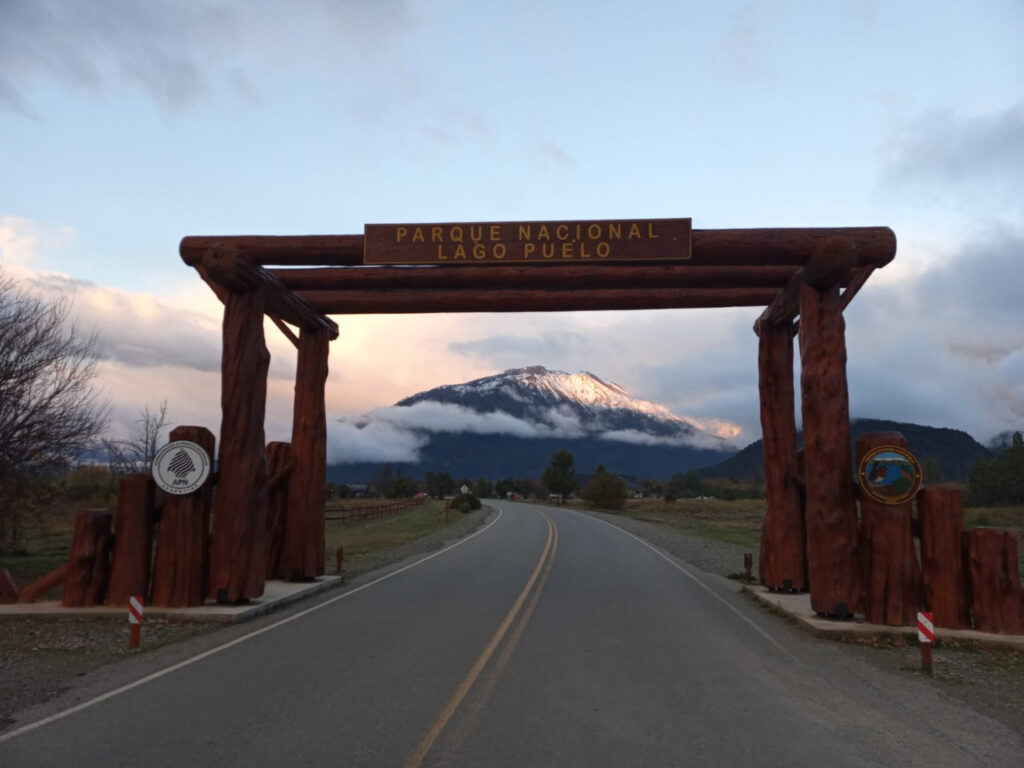
Trails Inside Lago Puelo National Park
The park’s trail network is smaller than somewhere like Los Alerces, but the trails are well-marked and most of them manageable in a single day. Some of the trails may be closed due to weather conditions or repairs. Check with the park rangers.
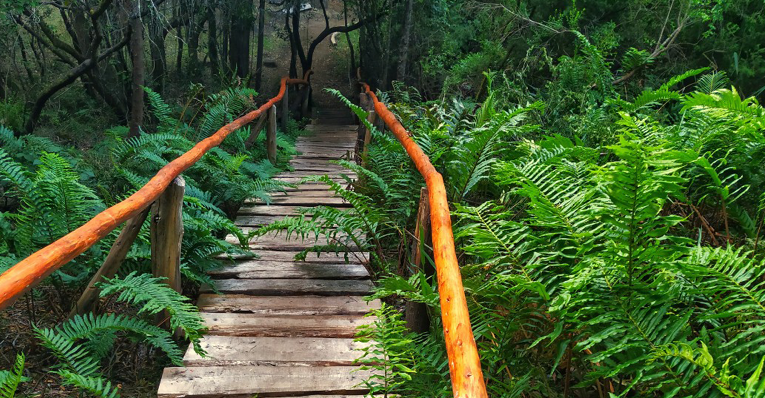
Low-difficulty trails – Lago Puelo National Park
Several short walks lead through valdivian forest to viewpoints or river access points near the lake. These work well if you’re visiting on a day trip:
- Pitranto grande
- El Chucao
- Sendero y mirador del lago
- Bosque de las sombras
- Jardín botánico / Antiguos pobladores
Moderate/Difficult Trails – Lago Puelo National Park
- Circuito El Faldeo: A longer and more challenging hike that begins in the “La Playita” area of the park and ends outside the National Park boundaries, at the Lago Puelo cemetery.
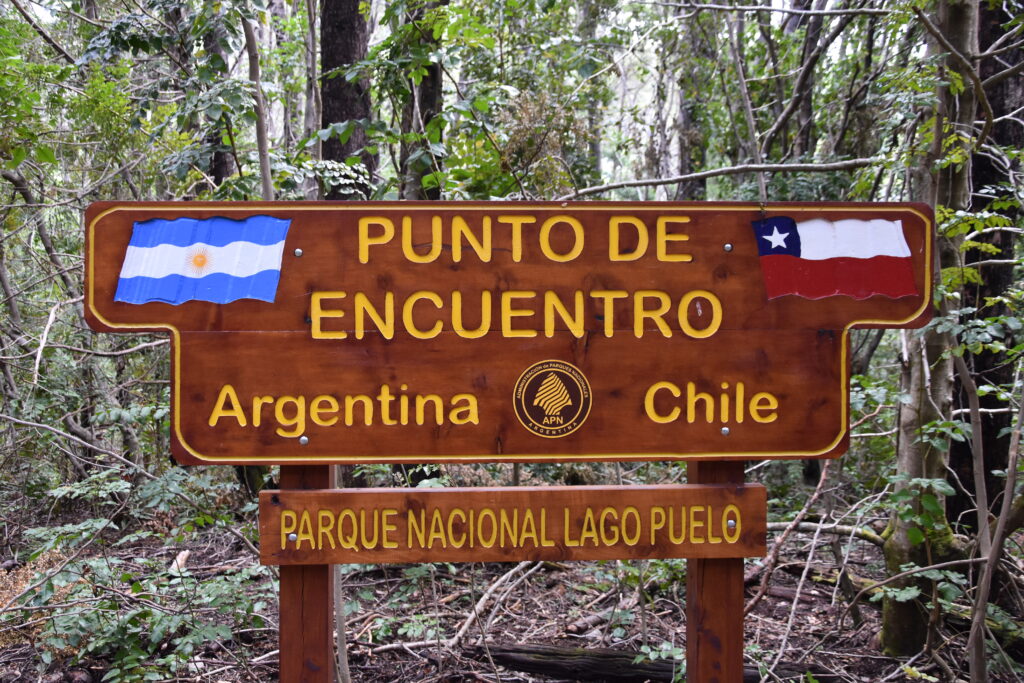
- Los Hitos: A trail that leads to the border marker between Argentina and Lago Puelo. This trail can be hiked fully on foot or as part of one of the lake excursions.
Camping in Lago Puelo National Park
The park has 3 campgrounds near the lake: El Turbio, Las lagrimas and Arroyo Agujas Sur. Camping is an option worth considering if you want more time on the water than a single day allows, or if you’re planning an early start toward one of the longer trails.
What to expect:
- Basic facilities — don’t expect the amenities of a full campground resort
- Availability that varies by season; summer (December–February) is busiest
- Cold nights are possible even in summer, given the elevation and proximity to the lake
Bring your own gear; equipment rental is not available at the park itself, so plan to arrange camping gear in El Bolsón or Bariloche beforehand if you don’t have your own.
Swimming and Water Activities in Lago Puelo National Park
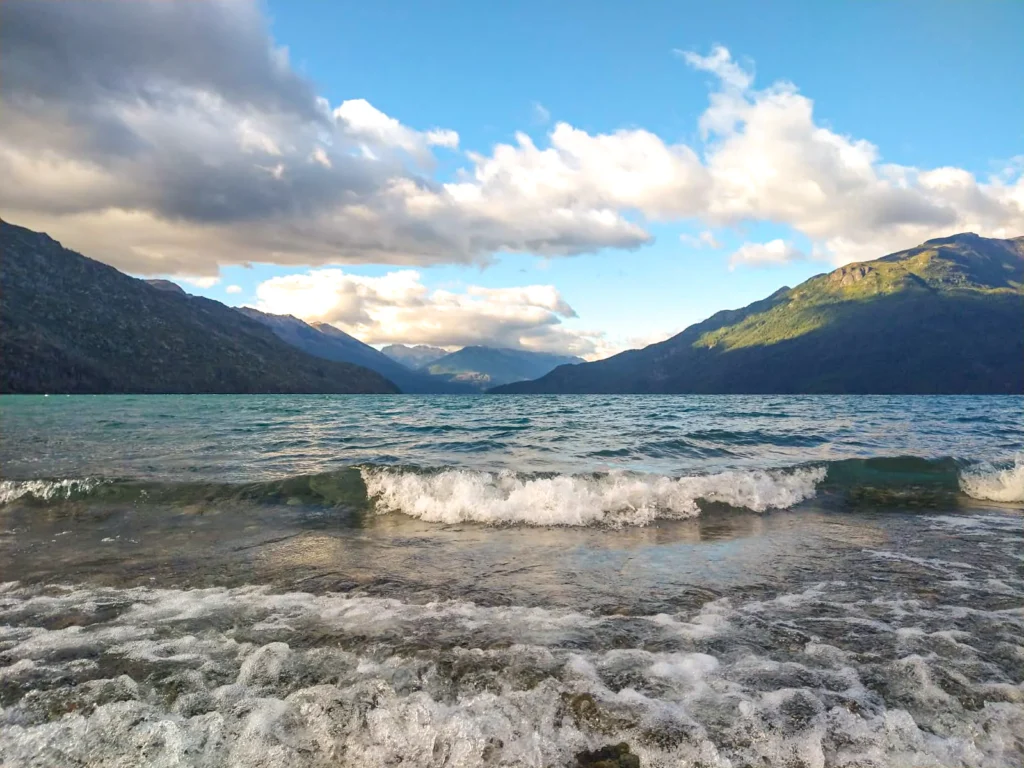
The lake’s beach areas inside the park are the main draw for many day visitors. The areas where swimming is permitted will be marked off by park rangers. Check with them if you have any questions, and always follow their instructions. The lake is deep and the water is very cold; the restrictions are in place to ensure your safety and to protect the area’s natural environment.
Kayak rental typically operates near the main entrance in high season — availability and pricing can vary, so it’s worth checking on arrival rather than assuming it will be running.
What to Bring
- Cash for the entrance fee and any rentals
- Insect repellent — the forest sections can have mosquitoes, especially in summer
- A layer for wind and temperature changes, even on a warm day
- Comfortable walking shoes; most trails aren’t technical but do involve uneven forest terrain
- Your own food and water if planning a full day, since options inside the park are limited outside of summer
How Much Time to Plan
- Half-day: Enough for one short trail plus some time at a beach area.
- Full day: Enough to combine a trail, swimming, and possibly kayaking.
- Overnight (camping): Worth it if you want an early start on a longer trail, more time on the water, or simply prefer camping to a day-trip pace.
Where to Go From Here
Lago Puelo National Park pairs well with a broader visit to Lago Puelo town, and it’s an easy add-on to a day that also includes El Bolsón or El Hoyo if you have a car. For general travel information on the town itself, see our Lago Puelo: Complete Travel Guide, or for the wider region, our Comarca Andina: Complete Guide.